
Signs Your Home May Need Professional Gas Piping Installation
Noticing issues like gas odors, leaks, or inconsistent appliances may indicate your home needs professional gas piping installation, which local contractors can safely handle.
Homeowners in the area who rely on gas appliances or are considering upgrades may find it helpful to recognize the signs that their home might need professional gas piping installation. Issues such as inconsistent gas flow, strange odors near appliances, or visible corrosion on existing pipes can indicate underlying problems that could impact safety and efficiency. Addressing these concerns promptly can help prevent more serious issues down the line, making it important to understand when expert inspection and installation services are advisable. Local contractors skilled in gas piping can assess these signs and provide the necessary solutions to ensure the system operates safely and reliably.
Exploring the signs your home may need professional gas piping installation is a practical step for property owners looking to maintain a safe and functional living environment. Whether installing new appliances or upgrading outdated piping, understanding when to seek expert help can make a significant difference. Service providers in the area are equipped to evaluate your home's gas system, identify potential issues, and deliver the appropriate installation or repair services. Keep reading to learn more about the common indicators that suggest a professional gas piping assessment may be needed, and how local specialists can assist in keeping your home safe and efficient.
- homeowners noticing inconsistent gas flow or leaks should seek professional gas piping installation from local contractors to ensure safety and proper function. - when upgrading appliances or adding new gas-powered equipment, local service providers can handle the necessary piping modifications. - signs of corrosion or damage to existing gas lines may require inspection and potential replacement by local pros. - if there are unusual odors or hissing sounds near gas lines, it’s important to have experienced technicians evaluate and address the issue. - planning a home renovation involving gas systems can benefit from consultation with local contractors to ensure compliant and reliable piping installation.
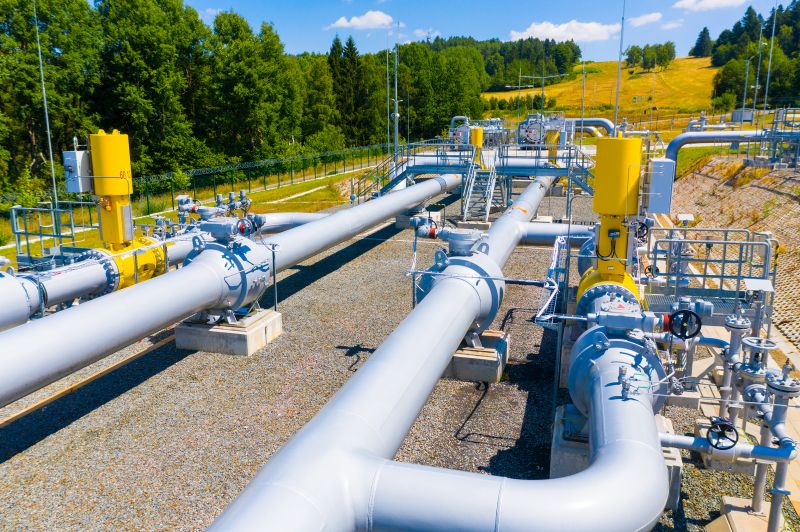
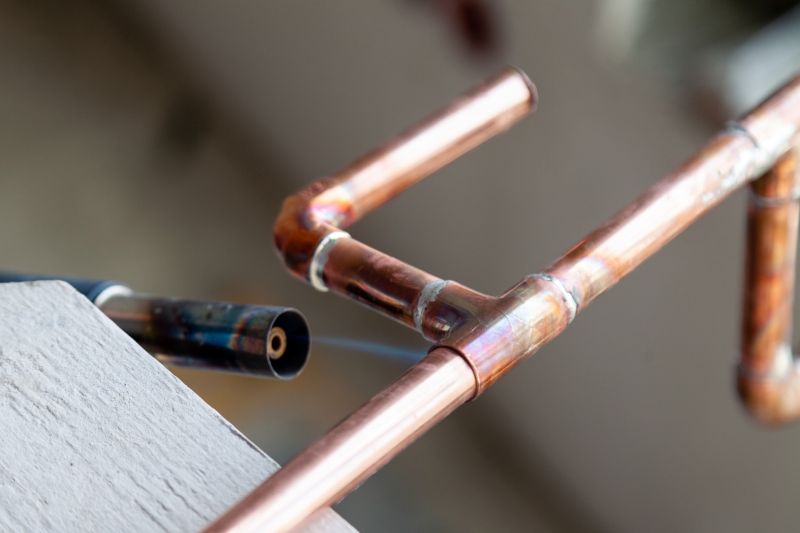
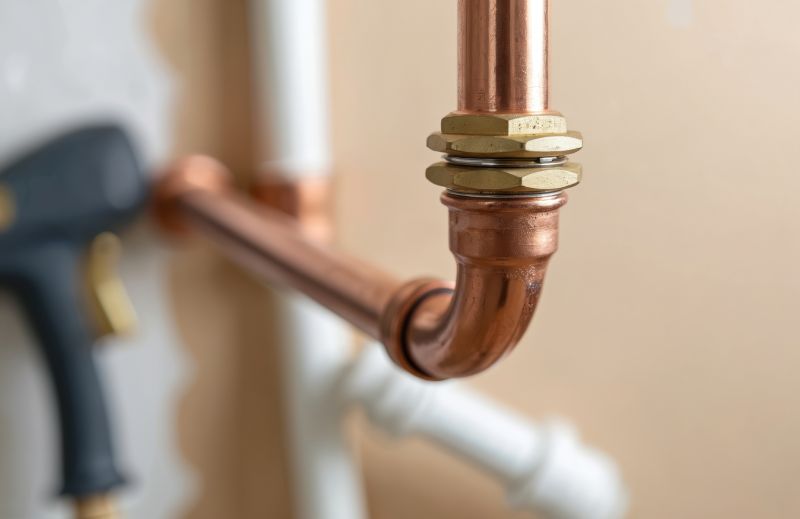
When homeowners search for signs their home may need professional gas piping installation, they are typically looking for indicators that their current gas system may be outdated, damaged, or insufficient for their needs. This can include experiencing persistent gas leaks, which often manifest as a rotten egg smell or hissing sounds near gas lines. Other common signs include frequent pilot light outages on appliances, uneven or inconsistent heating from gas-powered systems, or the presence of corrosion and rust on exposed pipes. Recognizing these signals early can help prevent potential safety hazards and ensure that the home’s gas infrastructure remains reliable and safe.
Gas piping concerns are often related to specific problems or future plans involving the home’s gas use. For example, older homes with outdated piping may require upgrades to meet current safety standards or to support new appliances like high-efficiency furnaces, water heaters, or outdoor grills. Homeowners planning renovations or additions may also need to extend or reroute gas lines to accommodate new features. Additionally, if a home has experienced repeated leaks or damage to existing pipes, professional gas piping installation can address these issues by replacing or upgrading the system. Local contractors can evaluate the existing setup and recommend solutions tailored to the home’s specific needs.
The types of properties that typically come up in discussions about gas piping installation include both older and newer residential buildings, as well as some commercial or multi-unit dwellings. Older homes, especially those built decades ago, often have original gas piping that may no longer meet current safety standards or be capable of supporting modern appliances. Newer constructions might require gas piping installation to connect appliances during initial setup or renovations. Multi-family buildings or properties with multiple units may also need professional piping work to ensure safety and compliance across all units. In all cases, local service providers can assess the property’s layout and determine the best approach for safe and effective gas piping.
Understanding when a home might need professional gas piping installation helps homeowners recognize potential issues early and plan for necessary upgrades or repairs. Local gas piping installation professionals are equipped to evaluate existing systems, identify signs of deterioration or inadequacy, and recommend appropriate solutions. Whether addressing safety concerns, supporting new appliances, or upgrading outdated piping, connecting with experienced local contractors ensures the work is handled properly and safely. Recognizing these signs and seeking expert assistance can help maintain the home’s safety, efficiency, and functionality over time.
Gas line installation for appliances - installing new gas lines for appliances like stoves and water heaters requires similar planning and safety considerations as gas piping installation in homes.
Kitchen remodels involving gas connections - updating or expanding kitchen layouts often involves rerouting or installing new gas piping to accommodate appliances.
Garage and outdoor gas line projects - extending gas piping to outdoor grills, fire pits, or garage heaters involves skills comparable to those needed for interior gas piping work.
Gas leak detection and repair services - identifying and fixing gas leaks involves understanding gas piping systems and ensuring proper installation and safety protocols.
Water heater installation and maintenance - connecting or replacing gas-powered water heaters requires precise piping work similar to initial gas piping installation processes.
Basement and utility room piping upgrades - upgrading or installing gas lines in utility areas involves planning and technical skills akin to those used in gas piping installation for homes.
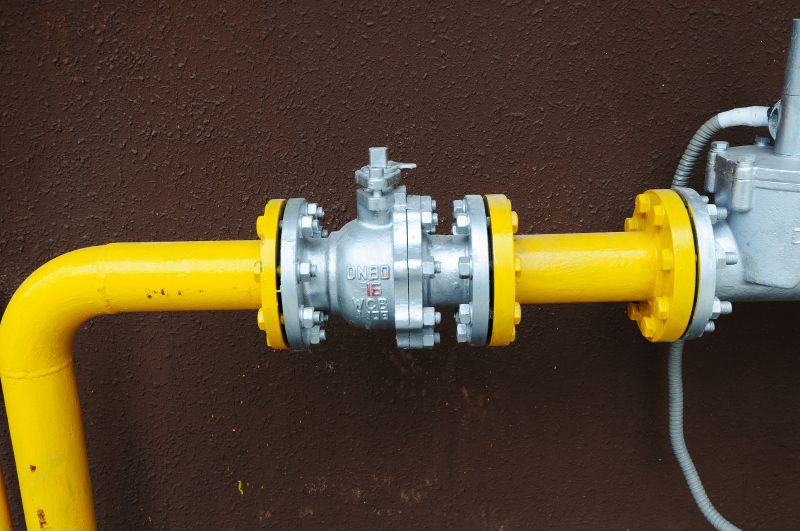
When evaluating service providers for gas piping installation, it’s important to consider their experience with similar projects. Homeowners should inquire about the types of gas piping systems they have installed and ask for examples of past work in residential settings. A contractor with a proven track record handling projects comparable in scope and complexity can provide confidence in their ability to manage the specific requirements of a home’s gas system. This experience can help ensure that the installation is performed safely and efficiently, reducing potential issues down the line.
Clear, written expectations are essential when comparing local contractors for gas piping services. Homeowners should seek detailed estimates that outline the scope of work, materials to be used, and any warranties or guarantees offered. Having a comprehensive understanding of what each service provider plans to do helps prevent misunderstandings and ensures that everyone is aligned on the project’s goals. Well-documented expectations also make it easier to compare bids objectively and select a contractor who is transparent about their process and pricing.
Good communication and reputable references are key factors to consider during the selection process. Homeowners should ask service providers for references from previous clients, especially those who had similar work done. Speaking with past customers can reveal insights into the contractor’s professionalism, reliability, and ability to complete projects satisfactorily. Additionally, a contractor who communicates clearly and promptly can help keep the project on track and address any questions or concerns that arise. Prioritizing these qualities can lead to a smoother experience and greater confidence in the choice of a local contractor for gas piping installation.
Property owners often search for signs your home may need professional gas piping installation when they are planning practical projects around their homes and businesses. Local pros provide Gas Piping Installation services for everyday jobs and straightforward project options.
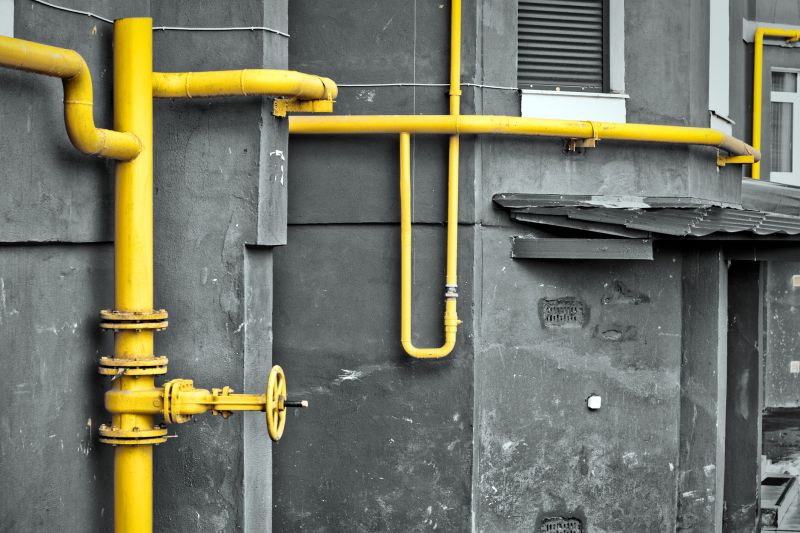
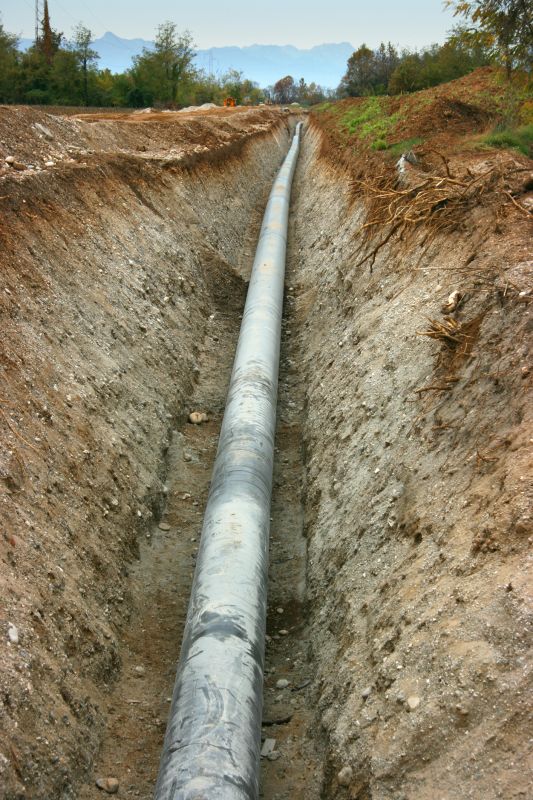
Homeowners in the area might notice issues like the smell of gas near appliances, inconsistent burner flames, or unexplained fluctuations in gas pressure, which can be signs that their home’s gas piping system needs professional attention. Other common indicators include the presence of corrosion or rust on exposed pipes, or the discovery of outdated or damaged piping during routine repairs or renovations. These everyday situations often lead property owners to seek experienced local contractors who can evaluate their existing gas lines and determine if a professional gas piping installation is necessary to ensure safety and proper function.
Additionally, planning a home upgrade such as adding new appliances, installing a fireplace, or expanding the kitchen can highlight the need for updated or additional gas piping. If a property owner notices leaks, hissing sounds, or a pilot light that repeatedly goes out, these are signs that professional assessment and potential installation of new piping may be required. Local service providers can help evaluate these issues and provide the appropriate solutions to ensure the gas system is reliable and safe for everyday use.
What are common signs that my home may need professional gas piping installation? Unusual gas odors, inconsistent appliance performance, or frequent pilot light issues can indicate problems with existing gas piping that may require expert installation or repairs by local contractors.
When should I consider professional gas piping installation for my home? If you’re planning to add new gas appliances, experience leaks, or notice corrosion on existing pipes, it’s advisable to have local service providers evaluate whether new gas piping installation is needed.
How can I tell if my gas piping system is unsafe? Persistent gas smells, hissing sounds near pipes, or visible damage like rust or corrosion may signal unsafe conditions that require professional assessment and potential gas piping upgrades or installation.
Are there specific appliances or features that might indicate the need for gas piping installation? Installing new appliances such as water heaters, fireplaces, or stoves that run on gas often necessitates proper gas piping, and local contractors can determine if existing piping can support these additions.
What role do signs of corrosion or damage play in deciding to get gas piping installed? Visible corrosion, leaks, or damage to existing pipes are strong indicators that professional gas piping installation or repairs may be necessary to ensure safety and proper function.
Unusual Gas Odors - Noticing a persistent gas smell in the home can indicate leaks that require professional gas piping installation or repair services from local contractors.
Pilot Light Issues - Frequent pilot light outages or difficulty igniting appliances may signal outdated or damaged gas piping needing expert attention.
Inconsistent Heating or Appliance Performance - Sudden drops in heating efficiency or appliance malfunction can be caused by improper gas supply, which local service providers can address through proper piping installation.
Corrosion or Damage to Existing Pipes - Visible rust, corrosion, or physical damage to gas lines suggest the need for professional assessment and potential piping upgrades by local contractors.
If you are thinking about signs your home may need professional gas piping installation for a property, this guide is meant to help you understand this topic, the typical project types, and how different options might fit your plans.
When you are ready, you can use the quote form on this page to share a few details about your project. From there, local pros can review the basics and follow up with options that match what you have in mind.